
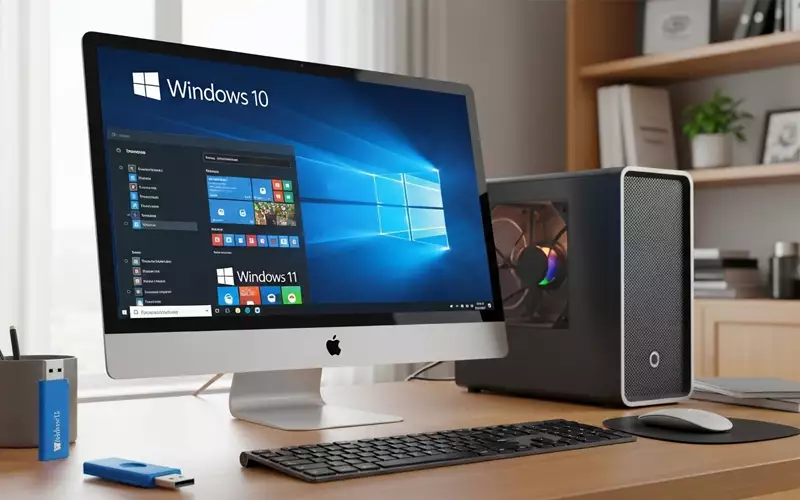
Installing Windows on a brand-new computer can feel a bit intimidating, especially if it’s your first time. I remember being nervous the first time I set up my PC, but with the right steps, it’s actually much simpler than it seems. In this guide, I’ll walk you through how to install Windows on a new PC, whether you’re using Windows 10, Windows 11, or even if you want to try it on a Mac or Chromebook. By the end, you’ll know all the important steps, tips, and tricks to get your system up and running smoothly—without unnecessary stress or mistakes.
Understanding the Basics Before Installation
Before beginning the Windows setup, it’s important to know some basic things. First, decide which version of Windows you want to install. Right now, Windows 10 and Windows 11 are the most widely used versions. Windows 11 offers a modern look and advanced features, but it also has specific system requirements that older computers may not meet. Meanwhile, Windows 10 is very compatible and runs smoothly on most PCs, making it a reliable choice for many users.
Another key step before installing Windows is understanding your PC’s hardware. Make sure to check your CPU, RAM, and available storage space. Generally, installing Windows on a new PC requires at least 4 GB of RAM and 64 GB of storage, but for Windows 11, Microsoft recommends 8 GB RAM and 128 GB of storage. You will also need a USB drive of at least 8 GB to create a bootable installation media. Being aware of these specifications beforehand will help ensure a smooth installation and prevent any unexpected errors during the process.
How to Install Windows 10 on a New PC
Installing Windows 10 on a new PC is quite simple when you follow the correct steps. First, download the official Windows 10 ISO from Microsoft’s website. Next, use a tool like Rufus to create a bootable USB drive. Once your USB drive is ready, plug it into your new PC and restart the system. During startup, enter the BIOS or UEFI settings, usually by pressing keys such as F2, F10, or Delete. After that, make sure to set the USB drive as the primary boot device so your PC can start the installation process.
After saving your changes and restarting your PC, the Windows setup screen will appear. Choose your preferred language, time, and keyboard layout. Then, click on “Install Now” and enter your Windows product key if you have one. Select “Custom Installation” to install Windows 10 on your new PC. Pick the hard drive or SSD where you want Windows installed, and let the setup process run. Your PC will restart several times during installation. Once it’s complete, follow the on-screen prompts to create a user account, configure your preferences, and finish the Windows 10 setup smoothly.
How to Install Windows 11 on a New PC
Installing Windows 11 on a new PC is a bit different because it comes with stricter system requirements. Before you start, ensure your PC supports TPM 2.0 and Secure Boot. If your hardware meets these requirements, the installation process is very similar to Windows 10. Begin by downloading the official Windows 11 ISO from Microsoft’s website, and then create a bootable USB drive to start the setup.
Boot your PC using the USB drive, and the Windows 11 setup screen will appear. Select your preferred language and other settings, then click “Install Now.” Enter your product key or skip this step if you prefer to activate Windows later. For new PCs, choose “Custom Installation,” select the correct drive, and allow Windows 11 to install. During setup, Windows 11 may guide you through additional options such as Microsoft account login, OneDrive setup, and security configurations. Once the installation is complete, your PC will be ready with a fully functional Windows 11 system.
How to Install Windows on a Mac
If you own a Mac and want to run Windows, Apple offers a tool called Boot Camp. This tool lets you create a separate partition on your Mac so you can use Windows without affecting macOS. Start by opening Boot Camp Assistant and follow the instructions to download the necessary Windows support files. Then, choose the size for the Windows partition and insert a USB drive containing the Windows ISO file to begin the installation process.
Once the partition is created, Boot Camp will guide you through installing Windows on your Mac. Your Mac will restart and boot into the Windows installer. Follow the standard installation steps, making sure to select the Boot Camp partition as your installation drive. After the process is complete, your Mac will have both macOS and Windows, allowing you to choose which operating system to boot into every time you start your computer.
How to Install Windows on a Chromebook
Installing Windows on a Chromebook is a bit more advanced, as Chromebooks are primarily built to run Chrome OS. However, it can be done with proper preparation. Start by enabling Developer Mode on your Chromebook and creating a full backup, since this process will erase all existing data. Next, prepare a Windows installation media, typically using a USB drive, to begin the installation.
Once your installation media is ready, you can use tools like Rufus or specialized scripts for Chromebooks to boot into the Windows installer. Choose the drive where you want to install Windows and complete the setup just like you would on a regular PC. Keep in mind that not all Chromebook models are compatible with Windows, so it’s important to check your device’s compatibility before beginning the installation.
Tips for a Smooth Installation Process
To make sure your Windows installation goes smoothly, there are a few important tips to follow. First, always backup your important data before starting, even on a new PC, because hardware or USB issues can sometimes cause data loss. Second, ensure your internet connection is stable, as some Windows updates or drivers may need to be downloaded during the installation process. Following these steps will help prevent common problems and make the setup process much easier.
Third, make sure to carefully follow all the prompts during the setup. Don’t skip essential steps such as partition selection or configuring security settings. Fourth, once Windows is installed, update your system with the latest Windows updates and drivers to keep it running smoothly and prevent potential crashes. Finally, keep your product key handy in case you need to reactivate Windows in the future.
Common Problems and How to Avoid Them
Even when you follow all steps carefully, some issues can still occur during Windows installation. A common problem is the “No Bootable Device Found” error. This usually happens if your BIOS/UEFI settings are not configured correctly or if the bootable USB drive wasn’t created properly. To fix this, double-check your USB drive and BIOS settings before trying again.
Another potential issue is hardware compatibility, especially when installing Windows 11 on older PCs. If the Windows setup notifies you that your system doesn’t meet the requirements, you might need to adjust settings in the BIOS or consider installing Windows 10 instead. Slow installation or frequent restarts can also happen due to faulty RAM or storage devices. Running a hardware diagnostic before starting the installation can help prevent these problems and ensure a smoother setup process.
FAQ’s
1. How do I install Windows on a new PC for the first time?
You can install Windows on a new PC by creating a bootable USB with the Windows ISO file, booting your PC from the USB, and following the on-screen setup instructions.
2. Can I install Windows 11 on an old PC?
Windows 11 has specific system requirements like TPM 2.0 and Secure Boot. If your PC does not meet these, you may need to install Windows 10 instead.
3. How long does it take to install Windows on a new PC?
It usually takes around 30 minutes to 1 hour depending on your PC’s hardware and the version of Windows you are installing.
4. Do I need a product key to install Windows on a new PC?
You can install Windows without a product key and activate it later. However, activation is required to access all features.
5. How do I install Windows on a Mac?
You can use Boot Camp Assistant on your Mac to create a Windows partition and install Windows alongside macOS.
6. Is it possible to install Windows on a Chromebook?
Yes, but it is advanced. You need to enable Developer Mode and use special tools to create a Windows bootable drive compatible with Chromebook.
7. What should I do if Windows setup does not detect my hard drive?
Make sure your BIOS/UEFI settings are correct, check the connection of your storage device, and use the proper drivers if needed during setup.
8. How do I create a bootable USB for Windows installation?
You can download the Windows ISO from Microsoft and use tools like Rufus to make a bootable USB for installation.
9. Can I install Windows 10 and Windows 11 on the same PC?
Yes, it is possible to dual boot both versions, but you need to create separate partitions for each version during installation.
10. What are common errors during Windows installation and how to fix them?
Common errors include “No Bootable Device Found,” compatibility issues, or slow installation. You can fix them by checking BIOS settings, using a correct ISO file, and ensuring your hardware meets the requirements.
Conclusion
Installing Windows on a new PC doesn’t have to be stressful. By following the correct steps, you can easily set up Windows 10, Windows 11, or even run Windows on a Mac or Chromebook without encountering major issues. The key is proper preparation, understanding your hardware, and carefully following the installation instructions to ensure a smooth and successful setup.
Remember to create a bootable USB drive, set up your BIOS/UEFI settings correctly, and update your system after installation. Following these steps will help you enjoy a smooth and hassle-free Windows experience on your new PC. This guide ensures that whether you are a beginner or an experienced user, installing Windows on a new PC will be simple, reliable, and stress-free.
By following these tips and step-by-step instructions, you can confidently complete the Windows installation process, avoid common issues, and have a fully functional Windows system ready to use on your new PC.





Add comment