
Introduction
Modern technology has transformed many aspects of everyday life, from the way people work and communicate to how they travel, shop, and manage daily activities. People use digital devices, smart machines, electric vehicles, online services, and advanced equipment at home, in offices, on farms, and in factories. However, technological growth can also increase energy use, waste, pollution, and pressure on natural resources. Because of these challenges, businesses, governments, researchers, and consumers are looking for practical solutions that can support development while reducing environmental damage.
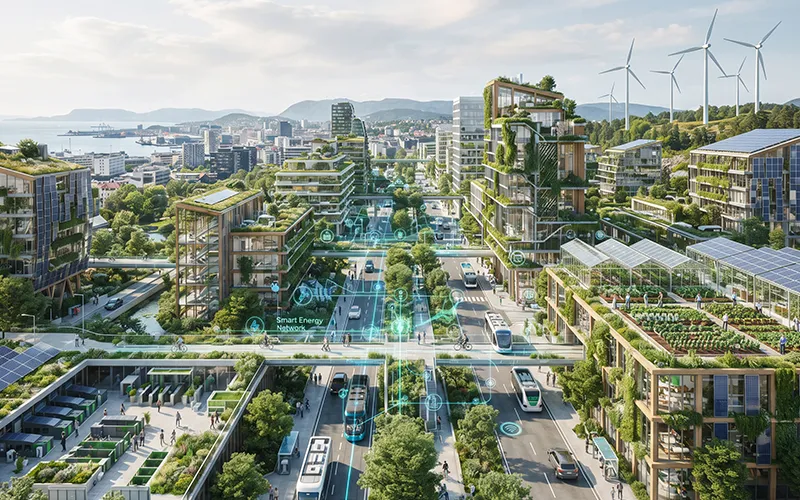
Environmental technology is becoming an important part of this change. It focuses on using science, engineering, digital systems, and modern equipment to use resources more efficiently and reduce negative effects on the environment. The idea can be applied to many areas, including energy, transportation, agriculture, construction, manufacturing, water management, and waste reduction.
This article explains what this technology is, its major uses, benefits, challenges, examples, and future direction. It also looks at green technology innovations, startups, investment opportunities, and developments expected to receive attention in 2026. The goal is to explain the subject in simple English so beginners, students, business owners, and general readers can understand it easily.
Understanding Environmental Technology
The green technology meaning is quite simple. It refers to products, systems, processes, and methods that are designed to reduce environmental harm while improving the way natural resources are used. These solutions may help save electricity, reduce water consumption, limit waste, lower emissions, or provide cleaner alternatives to traditional methods.
The concept is much broader than solar panels and electric cars. For example, an energy-efficient air conditioner can reduce electricity consumption. A smart irrigation system can help farmers avoid wasting water. A recycling machine can recover useful materials from discarded products. A building management system can automatically control lighting and cooling according to occupancy.
The main idea is to find better ways to meet human needs without using resources unnecessarily. This does not mean that every environmental technology has zero environmental impact. Manufacturing equipment still requires materials and energy, and many products eventually need to be repaired, reused, or recycled. The focus is generally on reducing the overall environmental impact.
Major Innovations for a Cleaner Future
There are many areas of innovation in the environmental technology sector. Some solutions are already commercially available, while others are still being researched and tested.
Solar energy continues to develop through improvements in panel efficiency, manufacturing techniques, materials, and installation systems. Modern solar systems can be used on homes, offices, factories, farms, and large electricity projects.
Energy storage is another important field. Renewable electricity production can change depending on weather and time of day. Batteries can store electricity when production is high and provide it later when demand increases. Researchers are working on battery materials and designs that may improve performance, safety, lifespan, and affordability.
Smart electricity networks are also developing. These systems use sensors, software, communication technologies, and automated controls to monitor electricity supply and demand. Better information can help energy providers manage changing electricity needs.
Other green technology innovations include heat pumps, smart buildings, advanced recycling systems, sustainable materials, water treatment equipment, low-emission manufacturing, and technologies for reducing industrial waste.
Environmental Solutions in Everyday Life
There are many green technology examples that people can see in everyday life. Some are simple products, while others are large systems working behind the scenes.
LED lighting is one common example. LED bulbs generally use less electricity than traditional incandescent bulbs and can operate for a longer period. Smart thermostats are another example because they can adjust heating and cooling according to schedules, temperature settings, or occupancy.
Electric vehicles are also becoming more common. They use electric motors powered by batteries rather than relying only on traditional internal combustion engines. Charging infrastructure is developing alongside these vehicles, allowing drivers to charge at homes, workplaces, and public charging stations.
Solar water heaters, rooftop solar systems, energy-efficient appliances, smart meters, recycling equipment, and water-saving irrigation systems are other examples. Digital monitoring tools can also help companies understand how much energy, water, and material they are using.
These examples show that environmental solutions do not always have to be complicated. Even small improvements in efficiency can become meaningful when they are used by large numbers of households and businesses.
Cleaner Automotive Transportation
Transportation is changing rapidly as manufacturers and consumers explore alternatives to traditional petrol and diesel vehicles.
Green technology in automotive includes electric cars, electric buses, charging systems, regenerative braking, lightweight materials, efficient motors, and software-based energy management.
Electric vehicles use batteries and electric motors to move the vehicle. They do not produce exhaust emissions from a tailpipe while driving, although their overall environmental impact depends on factors such as battery production and the electricity source used for charging.
Charging infrastructure is an important part of this transition. Drivers need convenient access to reliable charging stations, especially for long-distance travel and commercial transportation.
The future of cleaner transportation may include several solutions rather than one universal option. Electric vehicles, public transportation, rail networks, cycling infrastructure, walking, shared transportation, and alternative fuels may all have roles depending on local conditions.
Technology in Agriculture
Agriculture requires large amounts of land, water, energy, and other resources. Technology can help farmers monitor these resources and make more informed decisions.
Green technology in agriculture includes precision farming, soil sensors, smart irrigation, drones, satellite imagery, automated equipment, renewable-powered pumps, and digital crop monitoring.
Precision agriculture can help farmers apply water, fertilizer, and other inputs according to the needs of different areas of a field. Soil sensors can provide information about moisture levels, while satellite images and drones can help identify crop stress or disease.
Smart irrigation can be particularly useful in regions where water availability is limited. Instead of watering fields according to a fixed schedule, automated systems can use sensor data and weather information to determine when irrigation may be necessary.
These tools can improve efficiency, but they also require investment, technical knowledge, reliable equipment, and suitable infrastructure. For smaller farms, affordability can be an important consideration.
Latest Environmental Innovations in 2026
The latest green technology innovations 2026 are developing across several connected industries. Battery storage, advanced solar systems, smart electricity networks, AI-based energy management, electric transportation, sustainable materials, and advanced recycling are receiving continued attention.
Artificial intelligence is becoming particularly useful for analyzing complex energy data. Machine-learning systems can study electricity demand, weather patterns, equipment performance, and renewable power generation to help improve planning.
Battery research is another important area. Scientists and manufacturers are exploring new materials and battery designs that could improve energy density, safety, charging speed, durability, and production costs.
Advanced recycling is also gaining interest. New processes can attempt to recover valuable materials from electronic devices, batteries, industrial products, and other waste streams.
These developments should be viewed realistically. Some technologies are already mature, while others are still in development. Cost, reliability, infrastructure, regulation, and environmental impact all affect whether an innovation becomes widely adopted.
Investing in Sustainable Solutions
Investing in green technology has attracted attention from businesses, financial institutions, and individual investors. Areas of interest can include renewable energy, batteries, electric transportation, recycling, sustainable materials, water management, and energy efficiency.
However, environmental investments can carry risks. A promising technology may require significant research and development before becoming commercially successful. Companies can also face competition, changing regulations, supply-chain problems, high manufacturing costs, or limited customer demand.
Investors should therefore examine more than environmental marketing. They can look at the company’s business model, technology, financial condition, market demand, measurable environmental results, and long-term strategy.
Environmental claims should be checked carefully. A company using sustainability language does not automatically mean that every part of its business has a low environmental impact.
Grants for Environmental Projects
Governments, universities, development organizations, and private institutions may offer grants for green technology projects. Funding programs can support research, renewable energy, energy efficiency, sustainable agriculture, waste reduction, clean transportation, and new environmental solutions.
Grants can be useful for startups and research organizations because early-stage development can require substantial funding before a product reaches the market.
The availability and requirements of these programs vary by country and organization. Applicants should check official funding sources for current eligibility rules, deadlines, project requirements, and application procedures.
Businesses should also prepare clear information about their technology, expected environmental benefits, costs, development stage, and measurable outcomes when applying for suitable funding programs.
Challenges and Limitations
The adoption of these solutions can face several challenges. Cost is one of the most common barriers. Some advanced equipment requires a large initial investment even when it may provide savings over a longer period.
Infrastructure can also limit adoption. Electric vehicles require charging networks. Renewable energy needs suitable grid infrastructure. Recycling technologies require collection systems and processing facilities.
Raw materials can create another challenge. Batteries, electronics, solar equipment, and other advanced products require various minerals and materials. Responsible sourcing, recycling, material efficiency, and supply-chain management are therefore important.
There is also a risk of misleading environmental marketing. Consumers may see words such as “eco-friendly” or “sustainable” without enough information to understand the actual environmental impact of a product.
For this reason, measurable evidence is important when evaluating environmental claims.
Frequently Asked Questions
1. What is green technology in simple words?
It means using technology to reduce environmental damage, save resources, improve efficiency, and reduce waste. Examples include solar systems, electric vehicles, smart irrigation, efficient appliances, and recycling equipment.
2. What are some common green technology examples?
Common examples include solar panels, wind turbines, electric vehicles, LED lighting, battery storage, smart grids, energy-efficient buildings, water-saving systems, and precision farming tools.
3. Why is environmental technology important?
It can help society use energy, water, materials, and other resources more efficiently. It can also support cleaner transportation, reduce waste, and create new business and employment opportunities.
4. What are the latest developments in this field?
Important development areas include advanced batteries, AI-based energy management, improved solar systems, smart grids, electric transportation, sustainable materials, carbon-management systems, and advanced recycling.
5. How can technology help farmers?
Sensors, drones, satellite imagery, smart irrigation, and precision farming software can help farmers monitor crops and resources. These systems can support more accurate decisions about water, fertilizer, and crop management.
6. Can these technologies reduce business costs?
They can in some situations. Efficient equipment can reduce electricity, fuel, water, or material consumption. However, the financial result depends on the technology, installation cost, usage, maintenance, and business conditions.
7. Is every environmental technology completely pollution-free?
No. Manufacturing products requires materials and energy, and products may eventually become waste. The goal is generally to reduce environmental impact rather than assume that a technology has absolutely no environmental footprint.
8. What can we expect in the future?
Future development may include better energy storage, renewable power, electric transportation, smart buildings, precision agriculture, efficient factories, sustainable materials, advanced recycling, and greater use of AI for resource management.
Conclusion
Green technology is becoming an important part of how modern societies produce energy, travel, grow food, build homes, manufacture products, and manage everyday resources. Its applications range from renewable energy and electric transportation to water-saving irrigation, energy-efficient buildings, recycling methods, and smart systems that help control resource consumption.
Environmental improvement cannot come from a single technology or invention. Real progress often comes from combining different solutions and using them in the right situations. Better energy management, reduced waste, efficient production, responsible resource use, and cleaner transportation can work together to lower environmental pressure.
Businesses can support this progress by monitoring their use of energy and materials, reducing unnecessary waste, improving operational efficiency, and choosing technologies that provide measurable environmental benefits. Consumers also have a role through thoughtful purchasing, saving energy and water, repairing products when possible, recycling correctly, and choosing more efficient ways to travel.
As technology continues to develop, many sustainable solutions may become easier to use and more widely available. However, technology alone is not enough. Successful environmental progress also requires responsible manufacturing, suitable infrastructure, careful resource planning, and practical long-term strategies.
By focusing innovation on genuine environmental challenges and measuring its results, green technology can help create systems that use resources more efficiently while supporting a cleaner and more sustainable future.
If you want to read more interesting and detailed guides, visit EmbossitWorld now. You’ll find useful Information, and a lot of practical information. Don’t miss out.





Add comment