
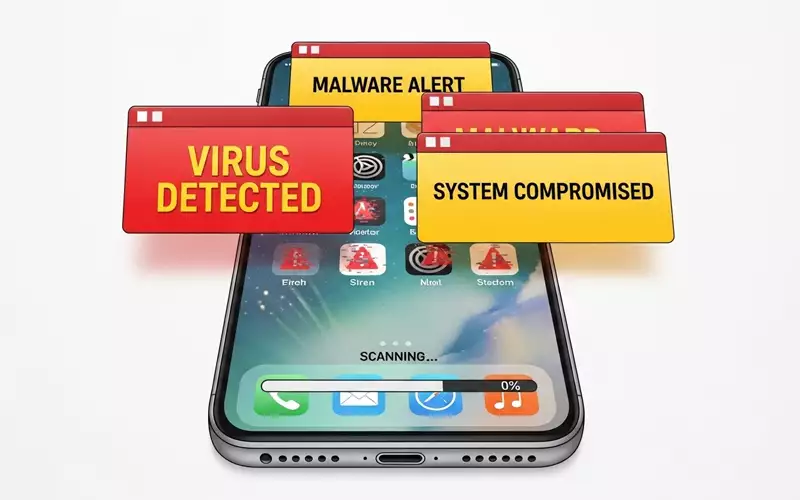
iPhones are famous for being secure and running smoothly, but even these devices can sometimes face problems like viruses or malware. When a virus infects your iPhone, it can make apps crash, slow down your device, show unwanted pop-ups, or even put your personal information at risk. If you’re wondering how to remove virus from iPhone, this guide will walk you through simple steps that anyone can follow. We explain everything clearly in easy-to-understand English, giving practical tips to help you fix the issue and keep your iPhone safe.
iPhones are well-known for their security and smooth performance, but even these devices aren’t completely immune to problems like viruses or malware. If a virus finds its way onto your iPhone, it can cause apps to crash, slow down your device, show annoying pop-ups, or even put your personal data at risk. If you’ve been searching for how to remove virus from iPhone, this step-by-step guide will help you tackle the issue easily. We break everything down in simple English, with clear instructions and practical tips to help you protect your iPhone and restore its normal performance.
Signs That Your iPhone Might Be Infected
Before you try to remove a virus, it’s important to first check if your iPhone is actually infected. Spotting the signs early can help you act before the problem becomes more serious. There are several common symptoms that may indicate your device has malware.
Your iPhone might start running slower than usual, even after a restart, or apps may crash and freeze unexpectedly. You could also see frequent pop-ups or ads while using your phone, which is unusual for iOS devices. Another warning sign is if your iPhone gets hot quickly without heavy usage, or if unknown apps suddenly appear on your home screen. Some users notice sudden spikes in mobile data usage or their battery draining faster than normal.
Here’s a quick checklist to help you identify possible infection:
- iPhone runs unusually slow, even after restarting.
- Apps crash or freeze for no clear reason.
- Frequent pop-ups or ads appear on the screen.
- Device heats up quickly without heavy app use.
- Unknown apps appear on the home screen.
- Mobile data usage rises unexpectedly.
- Battery drains faster than usual.
If you spot one or more of these signs, your iPhone could be affected by malware. Acting quickly can help prevent further issues and restore your device to normal performance.
Step 1: Update Your iPhone Software
One of the easiest and most effective ways to protect your iPhone from viruses and malware is by keeping its iOS up to date. Apple regularly releases software updates that not only fix bugs but also enhance performance and strengthen security. By updating your iPhone on time, you reduce the risk of malware exploiting security gaps and ensure your device continues to run smoothly. This step is especially important if you are learning how to remove virus from iPhone.
Here’s how to update your iPhone safely:
- Open the Settingsapp on your device.
- Tap General.
- Select Software Update.
- If an update is available, tap Download and Install.
Updating your iPhone closes potential security holes and helps your device work faster and more efficiently. Regular updates are an essential part of keeping your iPhone secure and preventing future malware infections.
Step 2: Remove Suspicious Apps
Sometimes, viruses and malware can enter your iPhone through apps downloaded from unofficial sources. If you notice an app that you don’t remember installing, or if an app starts acting strangely, it could be harmful. Removing such apps quickly is an important part of learning how to remove virus from iPhone and keeping your device secure.
Here’s how to remove suspicious apps from your iPhone:
- Tap and hold the app icon on your home screen.
- Select Remove Appfrom the menu.
- Confirm by tapping Delete App.
To stay safe, always download apps from the official App Store, where Apple reviews each app before publishing to ensure it’s secure. Avoid third-party app stores or websites, as they are common sources of malware and viruses for iPhones. Regularly checking your installed apps and removing anything suspicious is a simple yet effective way to protect your device.
Step 3: Clear Safari History and Website Data
Malicious websites can sometimes install harmful scripts on your iPhone without you knowing. These scripts can cause pop-ups, slow performance, or even unwanted activity on your device. One simple way to remove them is by clearing your Safari history and website data.
Here’s how to clear browser data on your iPhone:
- Open the Settings
- Scroll down and tap Safari.
- Tap Clear History and Website Data.
- Confirm by selecting Clear History and Data.
This process removes cookies, cached files, and browsing history, which may be responsible for unwanted pop-ups or malware activity. Regularly clearing this data helps keep your iPhone safe and running smoothly.
Step 4: Restart Your iPhone
Restarting your iPhone is one of the simplest ways to stop minor virus activity. When you restart your device, all apps and background processes close, including any harmful scripts or malware that might be running without your knowledge. This easy step can often fix temporary issues and help your iPhone run more smoothly.
Here’s how to restart your iPhone safely:
- For iPhone X and newer models:Press and hold the Side Button along with either Volume Up or Volume Down until the power slider appears. Slide to power off, wait about 30 seconds, then turn your iPhone back on.
- For older iPhones:Press and hold the Top or Side Button, slide to power off, wait a few seconds, and then restart your device.
Restarting your iPhone regularly can prevent minor problems from becoming bigger issues and can temporarily stop virus-related activity, helping your device stay safe and perform better.
Step 5: Use Trusted Security Apps
Even though iPhones are generally very secure, using extra protection can sometimes be helpful. Trusted security apps can scan your device for suspicious files, apps, or unusual activity that might indicate malware. These apps can alert you to potential threats and guide you on how to remove them safely.
Some reliable security apps available on the App Store include:
- Avira Mobile Security– Scans for malware and protects your personal data.
- McAfee Mobile Security– Provides real-time protection and alerts you to suspicious activity.
- Norton Mobile Security– Detects malicious apps and helps prevent security breaches.
When choosing a security app, always select one verified by Apple with good user reviews. Avoid unknown or fake apps, as these can sometimes cause more harm than good. Using a trusted security app adds an extra layer of protection and helps keep your iPhone safe from malware.
Step 6: Reset All Settings
If your iPhone continues to act strangely even after trying other steps, resetting all settings can help fix the issue. This process does not delete your personal files, such as photos, messages, or apps, but it restores all system settings to their default state. Resetting all settings can often remove configuration-related problems or hidden malware that may be affecting your iPhone’s performance.
Here’s how to reset all settings on your iPhone:
- Open the Settings
- Tap General.
- Select Transfer or Reset iPhone.
- Tap Reset, then choose Reset All Settings.
After the reset, you may need to reconnect to Wi-Fi networks and adjust certain preferences again. This is a safe and effective way to fix hidden issues while keeping all your personal data intact.
Step 7: Factory Reset Your iPhone
If all other methods fail, performing a factory reset is the most reliable way to completely remove a virus from your iPhone. Keep in mind that a factory reset erases all data on your device, including apps, photos, messages, and settings. Before you begin, make sure to back up any important files to iCloud or your computer.
Here’s how to safely perform a factory reset:
- Open Settings, then go to Generaland select Transfer or Reset iPhone.
- Choose Erase All Content and Settings.
- Enter your passcodeand Apple ID to confirm the reset.
After the reset, your iPhone will return to its original factory state, completely free of viruses and malware. You can then restore your data from a backup that you know is safe. While a factory reset should be considered a last-resort step, it ensures that your device is fully clean and secure.
Step 8: Prevent Future Virus Attacks
Prevention is always better than cure, especially when it comes to keeping your iPhone safe from viruses and malware. By following a few simple habits, you can greatly reduce the risk of infections and keep your device running smoothly.
Here are some important tips to protect your iPhone:
- Download apps only from the official App Store.Apple carefully reviews all apps to ensure they are safe, so avoiding third-party sources helps reduce the risk of malware.
- Avoid clicking suspicious linksin emails, messages, or websites. These links can install viruses or steal your personal information.
- Keep your iOS updated regularly.Software updates often include important security patches that protect your device from new threats.
- Enable security featureslike Face ID, Touch ID, and strong passcodes to add an extra layer of protection.
- Avoid jailbreaking your iPhone.Jailbreaking removes Apple’s built-in security and makes your device more vulnerable to viruses and malware.
- Back up your iPhone regularly.This ensures that if something goes wrong, you can safely restore your data without losing important files.
By following these practices consistently, you can keep your iPhone secure, maintain its performance, and protect it from future malware attacks.
FAQs: How to Remove Virus from iPhone
- Can an iPhone get a virus?
Yes, although iPhones are generally secure, they can get infected if you install unsafe apps, click suspicious links, or use outdated software. - What are the first signs that my iPhone has a virus?
Common signs include slow performance, apps crashing, rapid battery drain, and unusual pop-ups on your screen. These symptoms indicate possible malware. - Will restarting my iPhone remove a virus?
Restarting can temporarily stop minor malware, but it won’t completely remove persistent viruses. - Do I need antivirus apps for iPhone?
Not always, but trusted security apps like Norton, McAfee, or Avira can detect suspicious activity and alert you to potential threats. - Is factory reset the best way to remove a virus from iPhone?
Yes, if other methods fail, a factory reset is the most reliable way to clean your device. Remember to back up your data first, as a reset erases everything. - Does jailbreaking increase the risk of viruses on iPhone?
Absolutely. Jailbreaking removes Apple’s built-in security protections and makes your iPhone more vulnerable to malware and viruses. - Can pop-ups and ads indicate a virus?
Often yes. Frequent pop-ups or unwanted ads can be a sign of malware or harmful websites.
Conclusion
Learning how to remove virus from iPhone is crucial for keeping your device secure and working efficiently. By following the right steps, you can protect your iPhone from malware and restore its performance if it becomes infected. This includes updating your iOS regularly, removing suspicious apps, clearing Safari history and website data, restarting your iPhone, using trusted security apps, resetting all settings, or performing a factory reset when necessary.
Equally important is prevention. Always download apps from verified sources, avoid clicking on suspicious links, keep your iPhone updated with the latest software, and enable security features like Face ID, Touch ID, and strong passcodes. By consistently following these steps, you can ensure that your iPhone remains safe, fast, and reliable, giving you peace of mind while using your device every day.




Add comment