
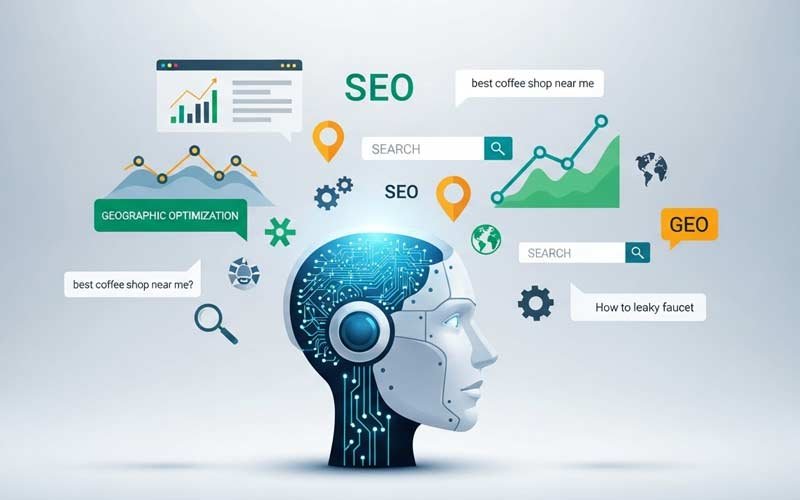
Generative Engine Optimization (GEO): Easy Steps and Best Practices
Embracing the Future of AI-Powered Search
Understanding How Generative Engine Optimization Can Boost Your Reach
Some marketers dismiss Generative Engine Optimization (GEO) as just another fleeting trend, but that assumption is far from reality. AI-driven search powered by large language models (LLMs) is rapidly reshaping the way people discover information online.
Websites are increasingly losing visibility to Google’s AI-generated Overviews, while advanced LLM platforms such as ChatGPT, Gemini, and Perplexity are changing traditional search behaviors. If your strategy doesn’t account for AI-driven results, you risk missing valuable traffic and conversion opportunities.
At Exposure Ninja, we’ve explored how generative engine optimization works across multiple industries, rigorously testing approaches that genuinely increase visibility on these emerging AI search platforms.
In this guide, I’ll walk you through the actionable tactics we use to optimize content for generative search, providing a clear roadmap to help your brand gain prominence in AI-powered search results.
Unlocking the Power of Generative Engine Optimization
Understanding How Generative Engine Optimization Works
Generative Engine Optimization (GEO) helps content creators make their content compatible with AI-driven platforms such as Google’s AI Overviews, ChatGPT, Gemini, Perplexity, and other generative models that deliver direct answers instead of traditional search results. Unlike conventional SEO, which targets search engines, GEO focuses on structuring your content so that large language models can easily interpret, summarize, and feature it in their responses.
People sometimes call this strategy LLM Optimization (LLMO), Generative Search Optimization (GSO), or AI search optimization. However, the main goal stays the same: helping generative engines show your content clearly when they answer user questions.
Understanding GEO Compared to Conventional SEO
How GEO Transforms Search Strategies
Although GEO enhances your current SEO framework, the focus shifts toward different optimization signals and success metrics. This approach demonstrates clearly how generative engine optimization works, setting it apart from traditional methods.
Understanding the Mechanics of Generative Engines
A Closer Look at How Generative Engine Optimization Works
To ensure your content surfaces in generative search results, it’s essential to grasp how generative engines operate. Instead of merely looking for keywords, these systems analyze the query in depth, identify the most relevant sources, and create fresh, original responses with every interaction.
How AI Models Transform Complex Queries into Answers
Understanding How Generative Engine Optimization Works
Modern generative engines transform lengthy or intricate questions into manageable search tasks. When you input a detailed prompt into AI tools like ChatGPT or Perplexity, the engine breaks it down into smaller, query-like segments. These segments are then processed using the model’s training data and, in some cases, external sources such as live web results.
After analyzing each segment, the engine synthesizes the findings into a coherent, human-readable response. This approach allows users to ask multi-layered questions, include multiple lines of thought, or even submit entire paragraphs, while the AI efficiently dissects and interprets the input.
Platforms like Perplexity provide transparency by displaying the steps they take behind the scenes. They conduct multiple real-time web searches and directly cite sources, so users clearly see how the system collects and combines information. Meanwhile, ChatGPT’s latest 5 model thinks methodically before producing an answer and shows users how it builds responses step by step.
Understanding the Variations in AI-Generated Responses
How Generative Engine Optimization Works Across Platforms
Generative engines produce diverse results depending on the datasets they are trained on and the sources they can access. Each engine operates differently: some prioritize real-time web data, while others rely mainly on pre-trained knowledge bases. Behind the scenes, they may use distinct search algorithms or crawling techniques to gather information.
Because of these variations, asking the same question on platforms like ChatGPT, Gemini, or Perplexity can yield different answers. Even when sources are referenced, the citations and supporting data may not match. This is why understanding how generative engine optimization works is essential—AI strategies must be designed broadly enough to perform effectively across multiple engines.





Add comment