
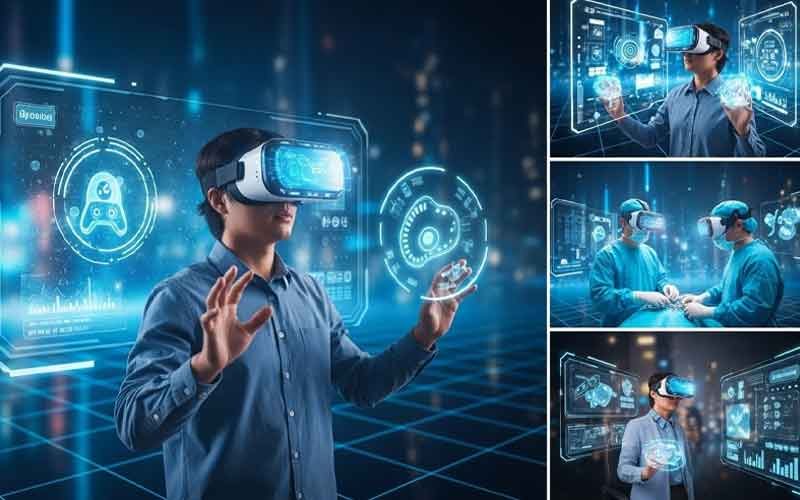
Virtual Reality has quickly become one of the most exciting technologies in today’s digital world. It doesn’t just show you images on a screen; it makes you feel like you’ve stepped into a completely digital environment where you can interact just like you would in real life. Instead of being a passive observer, you actually become part of what’s happening around you.
This sense of immersion is why VR is growing so fast in industries like gaming, education, and healthcare. Creating these virtual worlds known as VR development combines software, creative design, and programming skills. At first, it might seem a bit overwhelming for beginners, but once it’s broken down into simple steps, it’s not only easy to understand but also really fun to explore.
Virtual reality development isn’t just about creating games anymore. These days, VR is being used in education, healthcare, business, professional training, and many other areas. As the technology keeps improving, companies are looking for more skilled VR developers than ever before. Learning VR development now can give you valuable skills and open up a wide range of career opportunities in the future.
What Is Virtual Reality
Virtual Reality, or VR, is a technology that lets you step into a digital world and feel like you’re really there. By wearing a VR headset over your eyes, you can see a three-dimensional scene that moves as you turn your head. This makes the experience feel smooth, natural, and incredibly realistic, almost like you’ve entered another world.
Virtual reality development is all about building digital worlds that feel real and interactive. The goal is to create an experience so immersive that users forget they’re in a virtual environment and feel fully involved in everything they see and do.
How Virtual Reality Works
Virtual Reality works by combining hardware and software. The hardware, like VR headsets and motion-tracking devices, senses your movements, while the software creates the 3D world and lets you interact with it. This combination makes the experience feel realistic and responsive.
When you move or turn your head in VR, the system immediately tracks your movements and changes what you see. This quick response is what makes the experience feel natural and comfortable. VR developers work hard to make sure the hardware and software work together smoothly, creating a virtual world that feels realistic and immersive.
Importance of Virtual Reality Development
Virtual reality development is important because it changes the way we learn, work, and interact with digital content. Instead of just reading from a screen or text, VR lets people experience things firsthand, making learning more engaging and easier to understand.
In education, students can grasp difficult topics by seeing and interacting with them directly. In business, companies can train employees more effectively and show off their products in ways that really capture attention. In healthcare, doctors and medical students can practice procedures safely without any risk. All of this is possible thanks to the continuous growth of virtual reality technology.
Uses of Virtual Reality in Different Fields
Virtual Reality in Gaming
Gaming is one of the biggest industries making the most of VR technology today. With virtual reality, game developers can create worlds where players feel like they are really inside the game. This makes playing more exciting and helps players connect with the game on a deeper level. In these virtual worlds, you can move around freely, look wherever you want, and interact naturally with your surroundings, making the experience feel truly immersive and realistic.
Virtual Reality in Education and Training
In education, VR helps students understand complex subjects by showing them in an interactive, 3D way. Instead of just reading or memorizing, learners can see and experience ideas firsthand. In professional training, especially for technical or high-risk jobs, VR offers a safe space to practice skills without any real-world risks. Virtual reality development is what makes these learning experiences more practical, engaging, and memorable.
Virtual Reality in Healthcare
Healthcare is another area where virtual reality is growing fast. Medical students can practice surgeries in a safe, virtual environment, gaining valuable experience without any real-world risk. Patients also benefit from VR, whether it’s for physical rehabilitation or mental health therapy. This technology not only makes medical training better but also helps improve the care patients receive.
Virtual Reality in Business and Marketing
Businesses are using VR more and more to show products, give virtual tours, and train employees. With VR, customers can experience products up close before buying, which builds trust and helps them make better decisions. Virtual reality development plays an important role in modern digital marketing, allowing companies to connect with their audiences in interactive and creative ways.
Understanding Virtual Reality Development
Virtual reality development is all about designing and building VR applications from scratch. This means creating detailed 3D environments, programming how users interact with them, and testing the app to make sure it runs smoothly. A VR developer’s goal is to make the experience feel natural, comfortable, and enjoyable for everyone.
The process requires both creativity and technical know-how. Developers have to think about the design, functionality, and overall user experience at the same time to create a virtual world that’s engaging and seamless.
Skills Required for Virtual Reality Development
Programming Skills
Programming is a crucial part of virtual reality development. Developers use code to control how the VR world reacts and responds to users. Learning programming is important for creating movements, interactions, and the underlying logic that keeps the virtual environment running smoothly.
Knowledge of 3D Concepts
Understanding 3D models, textures, lighting, and animation is extremely helpful for VR projects. Even if you’re not a professional designer, knowing the basics of 3D design can make your virtual reality experiences look more realistic and feel far more polished.
Creative and Analytical Thinking
Virtual reality development calls for both creativity and strong problem-solving skills. Developers must design immersive, engaging environments while also tackling technical challenges to make sure the experience is smooth and enjoyable for users.
Tools Used in Virtual Reality Development
Game Engines
Game engines are the main platforms used to develop VR applications. They provide a variety of tools that help developers create, test, and improve virtual worlds efficiently. With game engines, building VR experiences becomes faster, smoother, and much easier to manage.
3D Design Software
3D design software is a key tool for creating objects and environments in VR. It lets developers build realistic, detailed virtual spaces, bringing the digital world to life and making the experience more immersive for users.
Process of Virtual Reality Development
Planning the Project
Every successful VR application starts with careful planning. Developers define the project’s purpose, identify the target users, and outline the key features. Having a clear plan from the beginning helps avoid problems later and makes the development process run more smoothly.
Designing the Virtual Environment
At this stage, the 3D virtual world is created. The focus is on making the environment visually appealing while keeping performance high. Virtual reality development involves balancing realistic design with smooth, lag-free operation to ensure users have an enjoyable experience.
Programming and Interaction Design
This is the core of a VR project. Developers write code to control how users move and interact within the virtual world. The goal is to make the experience feel natural, intuitive, and easy for users to navigate.
Testing and Improvement
Testing is an essential part of virtual reality development. It helps spot bugs, performance issues, and anything that could make the experience uncomfortable for users. Developers use feedback and test results to make improvements, ensuring the final VR experience is smooth, reliable, and enjoyable.
Challenges in Virtual Reality Development
Virtual reality development comes with a few challenges. Producing high-quality graphics often requires powerful hardware, and if performance is poor, it can make the experience uncomfortable. Motion sickness is another common issue that can happen if the VR environment isn’t designed carefully. Overcoming these challenges is key to creating a smooth and enjoyable VR experience.
Making VR applications compatible with different devices is another challenge. Developers have to ensure their VR apps run smoothly on a range of VR systems so that every user can enjoy the experience without any technical problems.
Career Opportunities in Virtual Reality
The demand for VR professionals is increasing quickly worldwide. Learning virtual reality development can lead to career opportunities in gaming, education, healthcare, and technology companies, making it a highly valuable skill for the future.
As virtual reality continues to grow across various industries, the demand for skilled VR developers is expected to rise even further, opening up more opportunities for those with the right skills.
How Beginners Can Start with Virtual Reality Development
Learning the Basics
Beginners should start by learning basic programming and getting a grasp of 3D concepts. Building this foundation is essential for developing strong skills in virtual reality development.
Practical Practice
Working on small projects is an excellent way to build confidence and gain practical experience. Regular practice helps learners tackle real-world challenges and come up with effective solutions in virtual reality development.
Continuous Learning
Technology is always changing, so staying up to date with the latest tools and techniques is crucial. Keeping current helps ensure long-term growth and success in the field of virtual reality development.
Future of Virtual Reality Development
The future of virtual reality development looks very promising. VR technology is expected to become more powerful and affordable, allowing more people to access it. It will play an important role in areas like remote work, online education, professional training, and digital communication, changing the way we interact with digital content.
This technology will continue to change how people interact with digital content and connect with each other, creating more immersive and engaging experiences in everyday life.
Advantages of Virtual Reality Development
Virtual reality development boosts user engagement and makes learning more effective. It provides safe environments for training and allows businesses to explore innovative solutions. These advantages make VR one of the most valuable and important technologies today.
Common Beginner Mistakes in Virtual Reality Development
Many beginners make the mistake of jumping into complex VR projects too early. This often leads to frustration and technical problems. It’s better to start with simple projects and gradually build skills step by step, making learning more effective and enjoyable.
Careful planning, regular testing, and patience are essential for success in virtual reality development. Following these practices helps ensure smoother projects and better results over time.
Frequently Asked Questions
Q1. What is virtual reality development in simple words?
Virtual reality development is the process of creating 3D digital environments where users can feel like they are inside a real world and interact with it using a VR headset.
Q2. Do I need programming to learn virtual reality development?
Yes, knowing basic programming is very helpful because it lets you control movements, interactions, and how the VR system behaves.
Q3. Is virtual reality development only for gaming?
No, VR development is used in many areas, including education, healthcare, business, training, and marketing—not just gaming.
Q4. How long does it take to learn virtual reality development as a beginner?
It depends on practice and consistency, but with regular effort, you can learn the basics and build foundational skills within a few months.
Q5. Is virtual reality development a good career choice for the future?
Yes, the demand for VR professionals is growing, and VR development offers strong career opportunities across modern technology industries.
Conclusion
Virtual Reality is no longer just a futuristic concept—it’s now a powerful technology shaping the world today. Virtual reality development allows people to create interactive digital experiences that engage users in exciting and meaningful ways.
For beginners, VR development offers opportunities for creativity, learning, and building a promising career. By understanding the basics and practicing regularly, anyone can confidently start their journey in this fascinating field.
Start your journey into virtual reality development today. Learn the basics, practice regularly, and begin creating your own immersive VR experiences. The future of digital interaction is virtual, and now is the perfect time to get started.
Visit embossitworld.com for more guides, tips, and expert support to help you grow in the world of VR and digital technology.





Add comment